


For Ghanaians living abroad, buying property back home can be both a personal milestone and a strategic investment. Ghana’s growing premium property market offers opportunities for long-term capital growth, rental income and establishing a tangible asset at home. Yet investing from overseas also raises important questions: Where should you buy? What are your ownership rights? How do you verify a property or developer? And how can you manage your investment from abroad?
This 2026 guide takes diaspora investors through the key considerations; from choosing the right location and understanding Ghana’s property laws to purchasing off-plan, managing costs and protecting your investment for the long term.
Step One: Understand Your Property Rights in Ghana
Your citizenship status is an important consideration when acquiring property in Ghana because it can affect the type and duration of land interest available to you. Ghanaian citizens, dual citizens and foreign nationals may have different legal entitlements, while the tenure available can also depend on the underlying land and transaction.
Foreign nationals are constitutionally restricted from holding freehold interests in land and generally acquire leasehold interests for terms of up to 50 years at a time. Diaspora buyers who hold or are eligible for Ghanaian citizenship may have different options available to them.
Before committing to a purchase, engage an independent qualified Ghanaian lawyer to confirm the title, tenure and remaining lease term attached to the specific property.
Step Two: Choose the Right Location for Your Investment
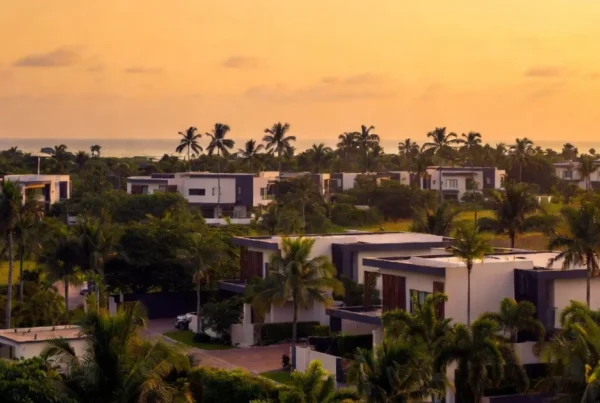
Where you buy is as important as what you buy. Accra’s established and emerging premium residential corridors; including Cantonments, Airport Residential, East Legon, Labone, Ridge and North Dzorwulu; continue to attract demand from professionals, expatriates, corporate tenants and returning diaspora.
For investors, consider more than the purchase price. Accessibility, surrounding infrastructure, security, property management, rental demand and the developer’s track record can all influence the long-term performance of an investment
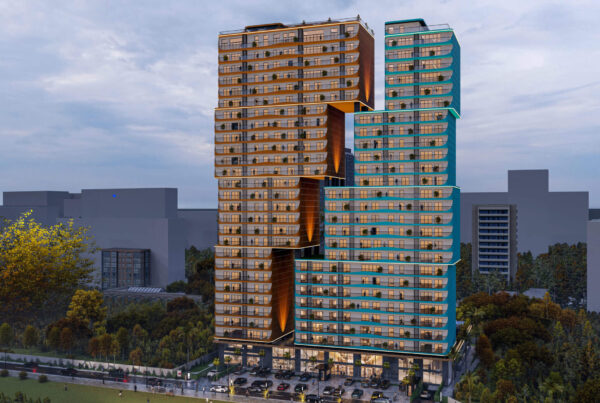
Capemay’s portfolio is strategically positioned within these key residential corridors, including The Signature Apartments in East Legon-Shiashie, Selton Skye in North Dzorwulu and Parkridge Estate, offering diaspora buyers a choice of completed, off-plan and residential investment opportunities.
Step Three: Understand the Property Buying Process in Ghana
TBuying property in Ghana from abroad can be straightforward when the appropriate legal and due-diligence steps are followed. Working with an established developer and an independent legal adviser can help you navigate the process and verify the transaction before committing significant funds.
- Identify and reserve your preferred property:
confirm the unit, price, payment plan and reservation terms.
- Conduct independent legal due diligence:
instruct a qualified lawyer to verify title, ownership and relevant property documentation.
- Review and execute the legal agreements:
carefully review the Sale and Purchase Agreement, lease and applicable terms before signing.
- Complete payments through verified channels:
make payments according to the agreed schedule and retain formal records of every transaction.
- Complete registration and documentation:
ensure the appropriate property interest is properly registered with the relevant authorities.
For diaspora investors purchasing from abroad, appointing a qualified Ghanaian lawyer can make the process easier to manage remotely, including where a power of attorney may be appropriate. Working with an established real estate developer also provides a reliable point of contact on the ground, helping you stay informed and supported throughout each stage of your purchase.
Step Four: Understanding the Full Cost of Your Investment
The purchase price is only one part of your total investment. Diaspora buyers should also budget for applicable taxes and duties, legal fees, registration costs and any other transaction-specific charges.
For properties within professionally managed developments, service charges may also apply. These typically contribute towards services such as security, maintenance of common areas, backup utilities and shared amenities—important considerations when assessing both your ongoing costs and the property’s rental appeal.
Ask for a clear breakdown of all applicable costs before committing to a purchase so you can assess the investment on a fully informed basis.
Step Five: Know What to Look for When Buying Off-Plan in Ghana
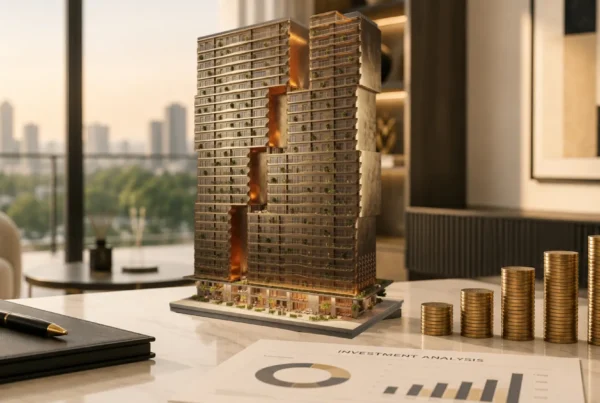
Buying off-plan can allow investors to secure a property earlier in the development cycle, often with access to phased payment plans and the potential to benefit from value appreciation as construction progresses. However, when purchasing a property that is yet to be completed, the credibility of the developer becomes especially important.
Look beyond the renders. Review the developer’s completed projects, construction progress, documentation, delivery history and approach to communicating with buyers. For an overseas investor, transparency and the ability to monitor progress remotely are particularly valuable.
Capemay Properties has operated in Ghana’s real estate market since 2008, with a portfolio spanning completed and ongoing residential developments. Diaspora investors can receive structured project updates and engage directly with our team throughout the purchase journey; from initial consultation through to handover.
Step Six: Plan How Your Property Will Be Managed From Abroad
For diaspora investors, purchasing the property is only the beginning. Professional property management can help protect your investment by overseeing tenant sourcing, rent collection, maintenance and the day-to-day care of your property while you are abroad.
Capemay provides rental and property management support, giving owners a trusted local team to manage their investment and help maximise its long-term rental potential.
Investing in Ghana with Confidence
For diaspora investors, buying property in Ghana can represent far more than owning a home back home. With the right location, thorough due diligence and an experienced team on the ground, it can become a long-term asset capable of generating income, preserving value and maintaining a meaningful connection to Ghana.
Capemay Properties offers premium residential opportunities across some of Accra’s most desirable locations, together with the local expertise and ongoing support diaspora investors need to purchase and manage property from abroad.
Ready to explore your options? Speak with a Capemay property consultant to discover available residences, discuss investment opportunities or arrange a private virtual or in-person consultation.
Contact Capemay Properties +233 27 013 4449 capemaypropertiesgh.com