


Investing in property in Ghana can be highly rewarding, but the quality of the investment depends heavily on the developer behind it. Before committing significant capital, buyers should understand not only what they are purchasing, but who is delivering it, how the development is structured and what happens after completion.
At Capemay Properties, we believe informed buyers make better investment decisions. Here are 10 important questions to ask a property developer in Ghana before you buy; and what you should look for in the answers.
1) How Long Has the Developers Been Building in Ghana?
A developer’s track record is one of the clearest indicators of credibility. Look beyond how long the company has existed and examine what it has actually delivered: completed developments, delivery history, build quality and how those properties have been maintained over time.
Where possible, visit completed developments and assess the standard for yourself. A long-standing presence in the Ghanaian market, supported by tangible completed projects, provides greater confidence in a developer’s ability to deliver.
Capemay Properties has operated in Ghana since 2008, with completed Developments including the sold-out Kasa Global Villas on Spintex.
2) Is the Developer a Member of GREDA?
Membership of recognised industry bodies can provide another useful indication of a developer’s professional standing. Ask whether the developer is a member of the Ghana Real Estate Developers Association (GREDA) and what other professional or regulatory standards apply to its operations.
Membership should not replace your own due diligence, but it can form part of the wider assessment of a developer’s credibility and industry standing.
3) What Is the Title and Registration Status of the Land?
Before purchasing, understand the legal interest the developer holds in the land and the status of its documentation. Ask to see the relevant title or lease documentation, approved site plans and other supporting records, and understand what interest will ultimately be transferred to you.
Buyers; particularly those purchasing from abroad, should also consider obtaining independent legal advice before signing a Sale and Purchase Agreement or making substantial payments.
4) What Does the Location Mean for Long-Term Value?
Location affects far more than convenience. It can influence rental demand, tenant profile, resale potential and long-term capital appreciation.
Consider proximity to business districts, major roads, schools, healthcare, retail and Kotoka International Airport, as well as the future development of the surrounding area. In Accra, established and emerging prime locations can attract strong demand from professionals, expatriates and diaspora buyers.
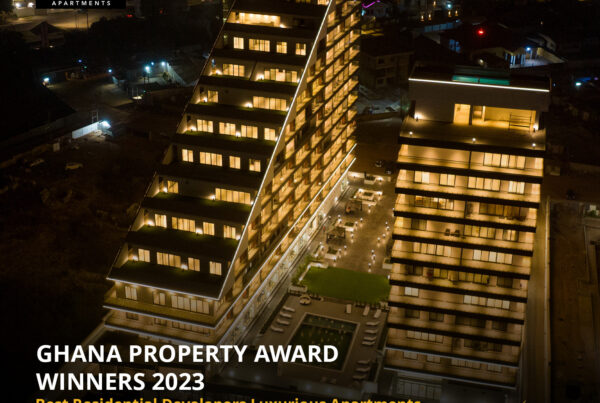
Capemay’s developments have been strategically positioned within key Accra corridors, including Selton Skye, The Signature Apartments, and Parkridge Estate.
5) What Does the Development Include?
Look beyond the apartment itself. Amenities, security, parking, backup utilities, communal spaces, retail and professional property management can significantly influence both the living experience and a property’s attractiveness to future tenants.
Ask which amenities are included, when they will become operational and how they will be maintained after completion.
6) What Design and Build Standards Are Being Followed?
Ask about construction standards, materials, finishes, layouts, building systems and safety features. For an off-plan purchase, establish which specifications form part of the contractual commitment and whether substitutions are permitted.
A credible developer should be able to explain what is being built, the standard to which it is being delivered and how quality is controlled throughout construction.
7) How Do Construction, Payment and Handover Work?
For an off-plan purchase, ask for a clear construction programme, expected completion date, payment schedule and handover process. You should also understand how construction updates will be communicated and what happens if timelines change.
The Sale and Purchase Agreement should clearly document the obligations of both buyer and developer.
8) What Ownership Structure Applies to Me?
The property interest available to you may depend on factors including the type of development and whether you are a Ghanaian citizen or non-citizen. Ask the developer to explain exactly what legal interest you will acquire, its duration and any applicable renewal provisions.
Non-citizens are subject to specific restrictions under Ghanaian law, so independent legal advice is particularly important when purchasing property from abroad.
9) What Happens After I Buy?
A developer’s responsibility should not simply disappear at handover. Ask who manages the development, how maintenance is handled, what service charges cover and what support is available to owners after completion.
For investors, also establish whether rental and property management services are available. Strong ongoing management can play an important role in protecting the quality and long-term appeal of the development.
10) Who Will I Be Dealing With?
Property purchases involve multiple stages, so establish who your principal point of contact will be from enquiry through to handover. A dedicated consultant should be able to coordinate information, explain the process and ensure questions are addressed promptly.
At Capemay Properties, our property consultants guide buyers throughout the purchase journey, providing a consistent point of contact from initial enquiry onwards.
Know What You Are Buying, and who You Are Buying From
Buying property is a significant commitment, and asking detailed questions is part of making a well-informed decision. The strongest developers should be prepared to demonstrate their track record, explain their documentation and give buyers clarity about exactly what they are purchasing.
Since 2008, Capemay Properties has developed premium residential opportunities across Accra, combining carefully selected locations, considered design and ongoing support for property owners and investors.
Considering property in Ghana? Speak with a Capemay Properties consultant to explore our current developments, arrange a viewing or discuss your investment requirements..
capemaypropertiesgh.com or call us on: +233 27 013 4449